
Mini Shelters
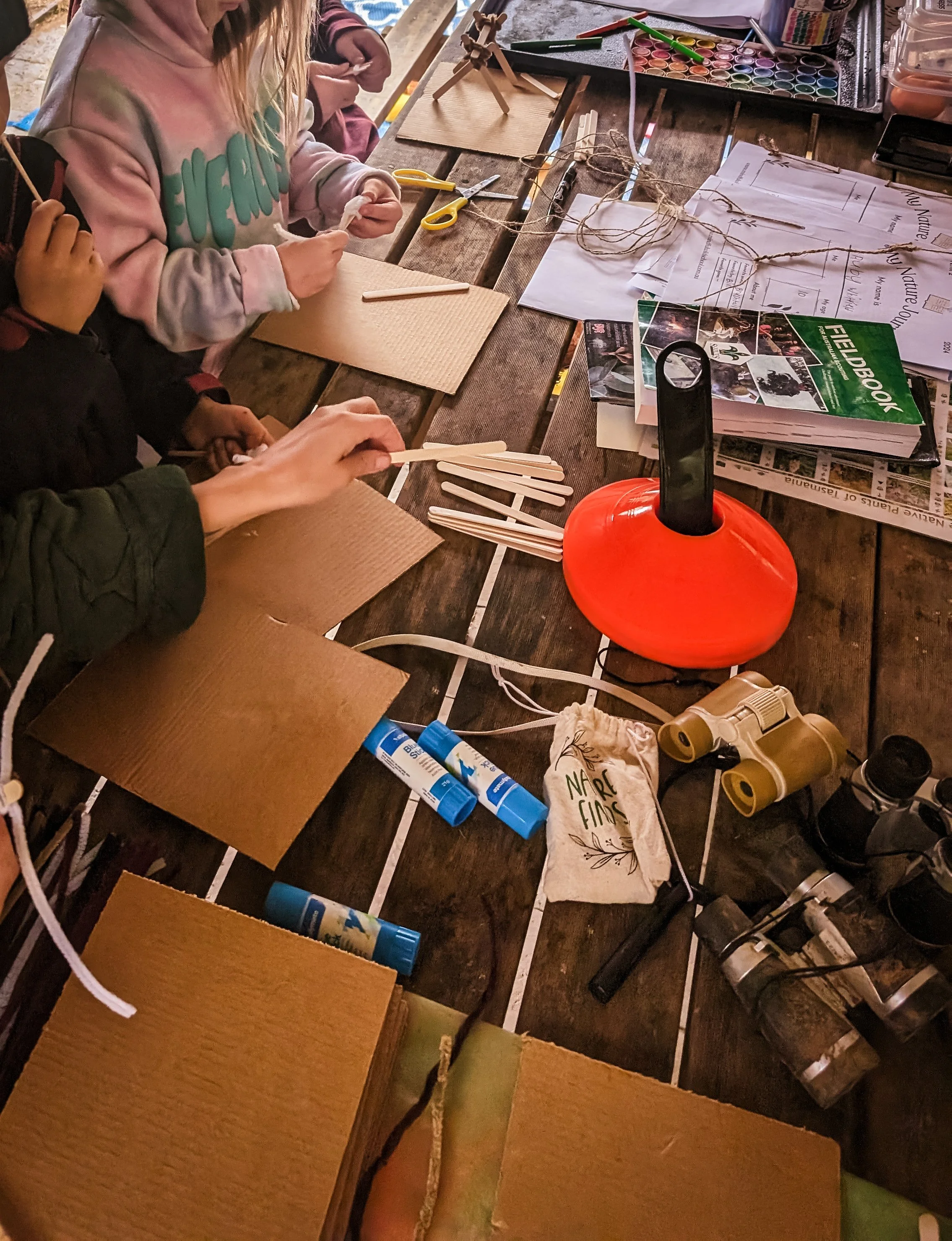
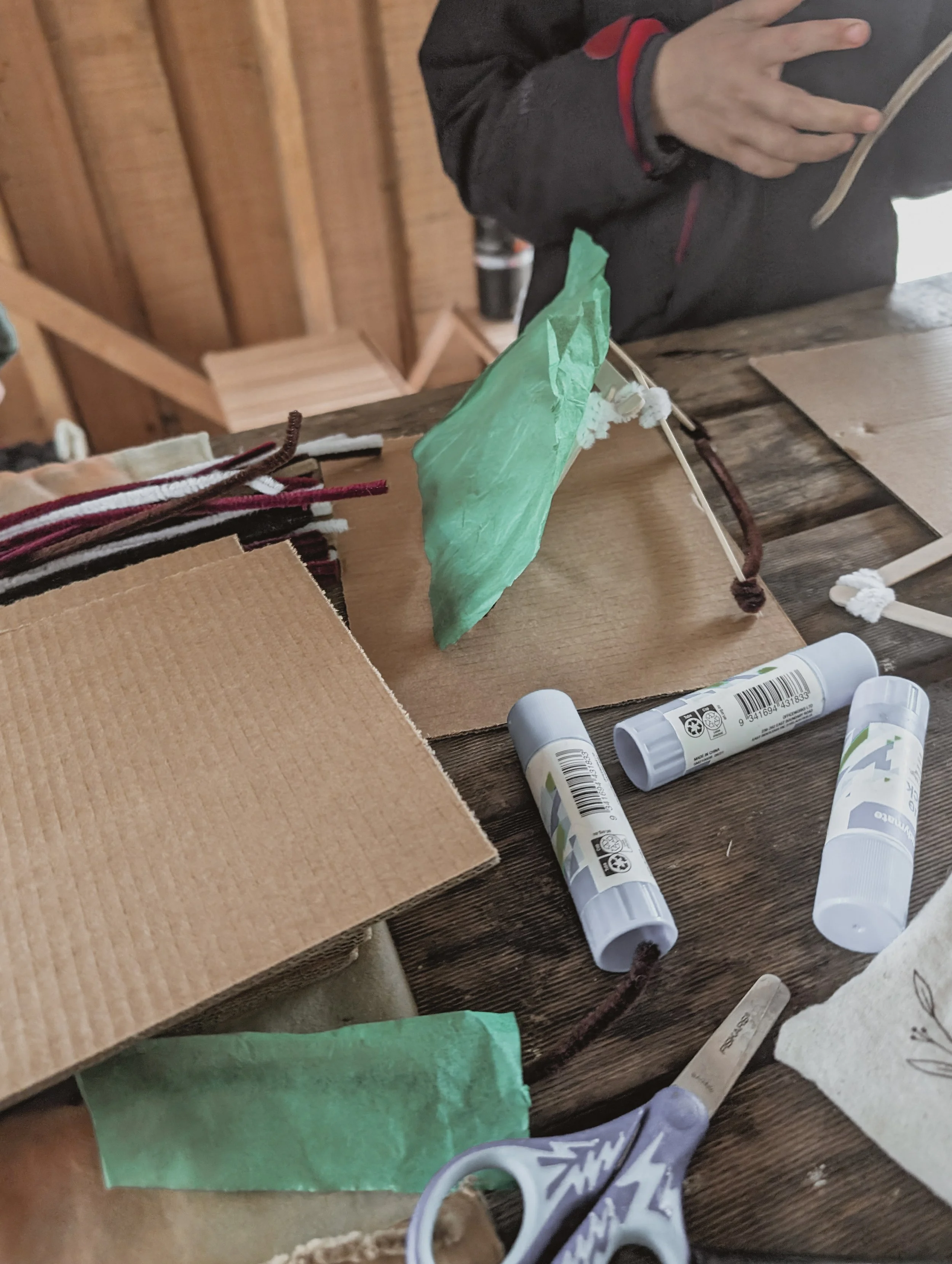
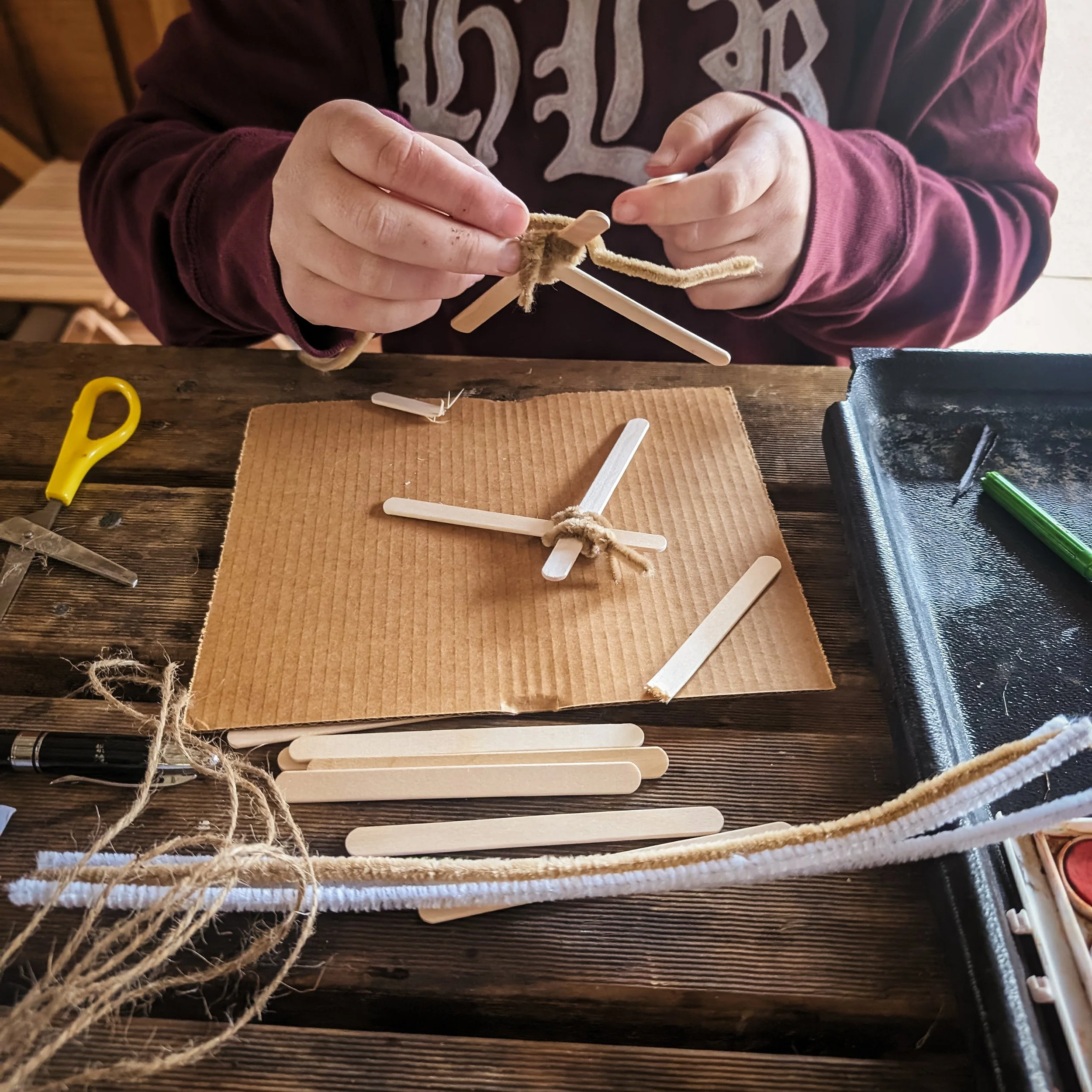
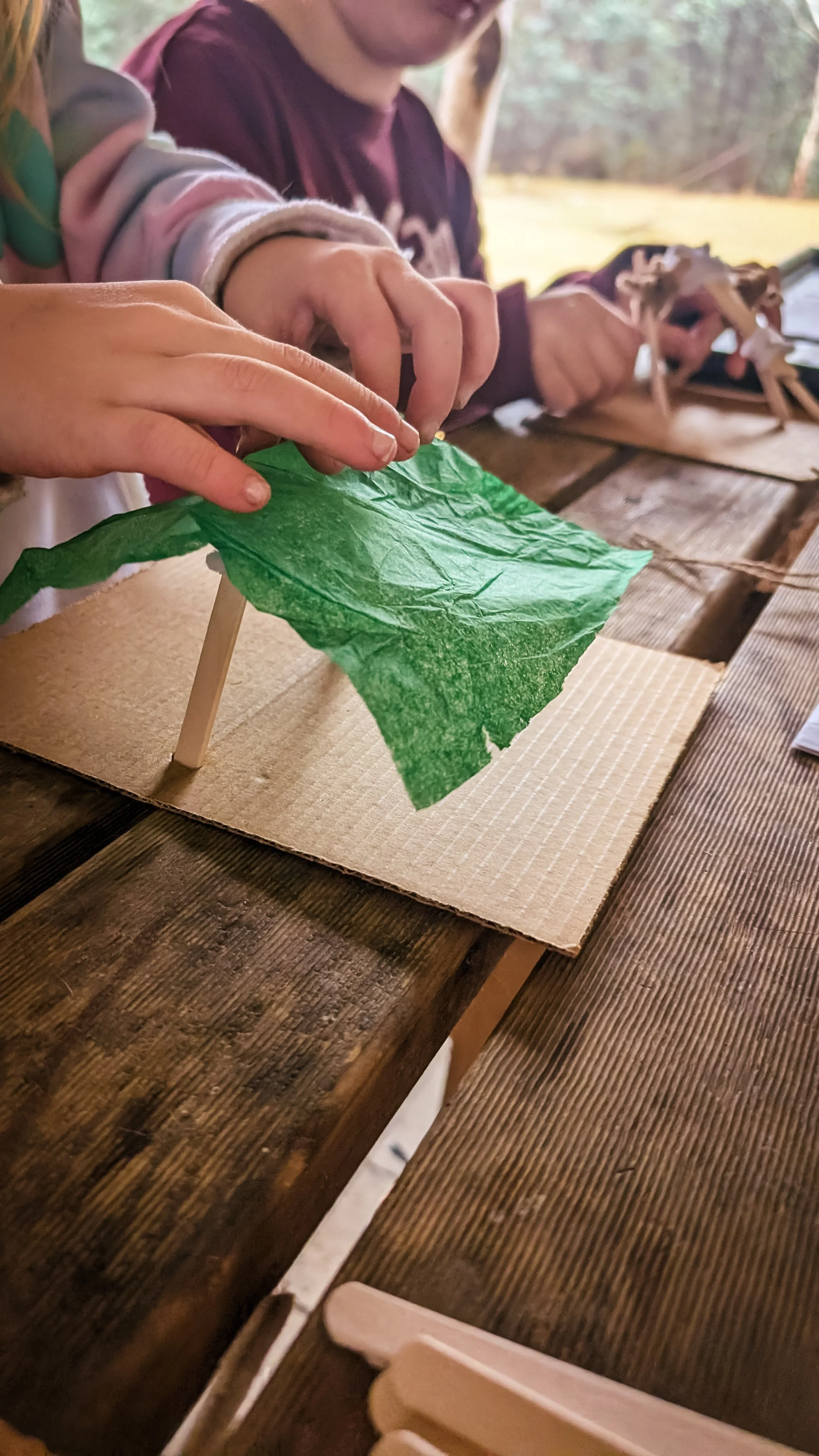
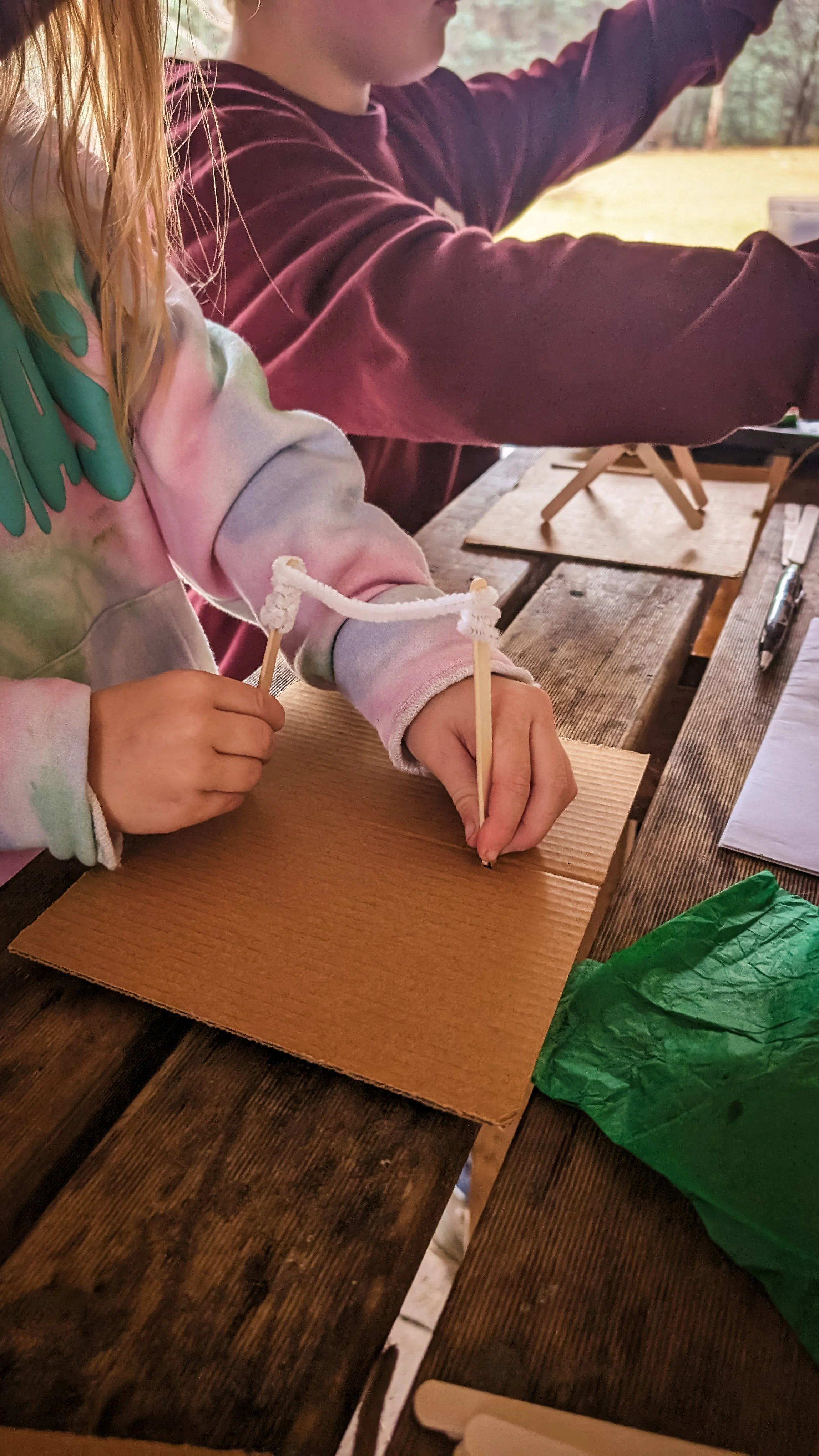
Mini Shelters are a fantastic engineering and design challenge that encourages children to think creatively while solving real-world problems. Using simple craft materials, children can experiment with different shelter designs, structures, and building techniques.
We completed this activity on a rainy day when I was terribly underprepared, and despite the limited materials, the children came up with some wonderfully inventive ideas.
Looking back, I'd probably use a hot glue gun and scrap fabric next time, though the challenge of working with basic materials was part of what made the activity so engaging.
You'll Need
• Cardboard for a base
• Icy pole sticks
• String
• Tissue paper
• Glue sticks
• Optional: hot glue gun (adult use)
• Optional: scrap fabric
How To
Begin with a piece of cardboard to use as the shelter base.
Invite children to think about what makes a good shelter and who or what it might be protecting.
Use icy pole sticks to create walls, frames, supports, or roofs.
Attach pieces together using glue sticks and string.
Add tissue paper to create roofs, walls, coverings, or decorative features.
Experiment with different shapes and designs.
Test how sturdy the shelter feels and make adjustments if needed.
Encourage children to explain their design choices and how their shelter works.
What It Encourages
This activity supports:
• Engineering and design thinking
• Problem-solving
• Creativity and imagination
• Fine motor development
• Planning and construction skills
• Persistence
• Communication and reasoning
Building shelters encourages children to think critically about structure, stability, materials, and purpose.
A Last Note
There are endless ways to build a shelter, which means every child is likely to come up with a completely different solution.
Sometimes the most valuable part of engineering activities is when something doesn't work the first time. Those moments create opportunities to adapt, redesign, and try again. That's where so much of the learning happens.
